Food Plant Sanitation: Cleaning Processing Rooms to a Food-Safety Plan
Food plant sanitation is the structured cleaning and sanitizing of production rooms, equipment and floors so food can be made safely. It follows a set sequence: dry clean-up, pre-rinse, detergent and scrub, rinse, inspection, sanitize, and a final check before production starts. Sanitation is not the same as general cleaning, and shortcuts show up in swab results and audit findings.
Describe the job and add your city. Free to request, no obligation.
The food safety program sets the rules. Whether the plant works to HACCP, a GFSI scheme such as SQF or BRCGS, FSMA preventive controls in the US or the Safe Food for Canadians Regulations, the written sanitation procedures say which chemicals, concentrations, contact times, tools and verification steps apply. A contractor works inside that plan, not around it.
Most sanitation happens overnight, after production stops, and has to be finished and signed off before the next run. That puts pressure on crew size, water and chemical supply, and drying time. Tell us your products, whether allergens are handled, the shift pattern and the regulator or audit scheme you work to, so the quote can address them directly.
What the work includes
- Dry clean-up of product, packaging and debris before any water is used
- Pre-rinse, foam or gel detergent application and scrubbing of equipment, walls and floors
- Post-rinse and sanitizer application at the concentration and contact time in your procedure
- Floor drains, trench drains, sumps and hoses cleaned and sanitized
- Conveyors, tables, slicers, mixers and food-contact surfaces handled as the procedure directs
- Allergen changeover cleans with separate tools and documented sequence
- Pre-operational inspection support and ATP or other swab checks where agreed
- Chemical, concentration and sign-off records completed to your format
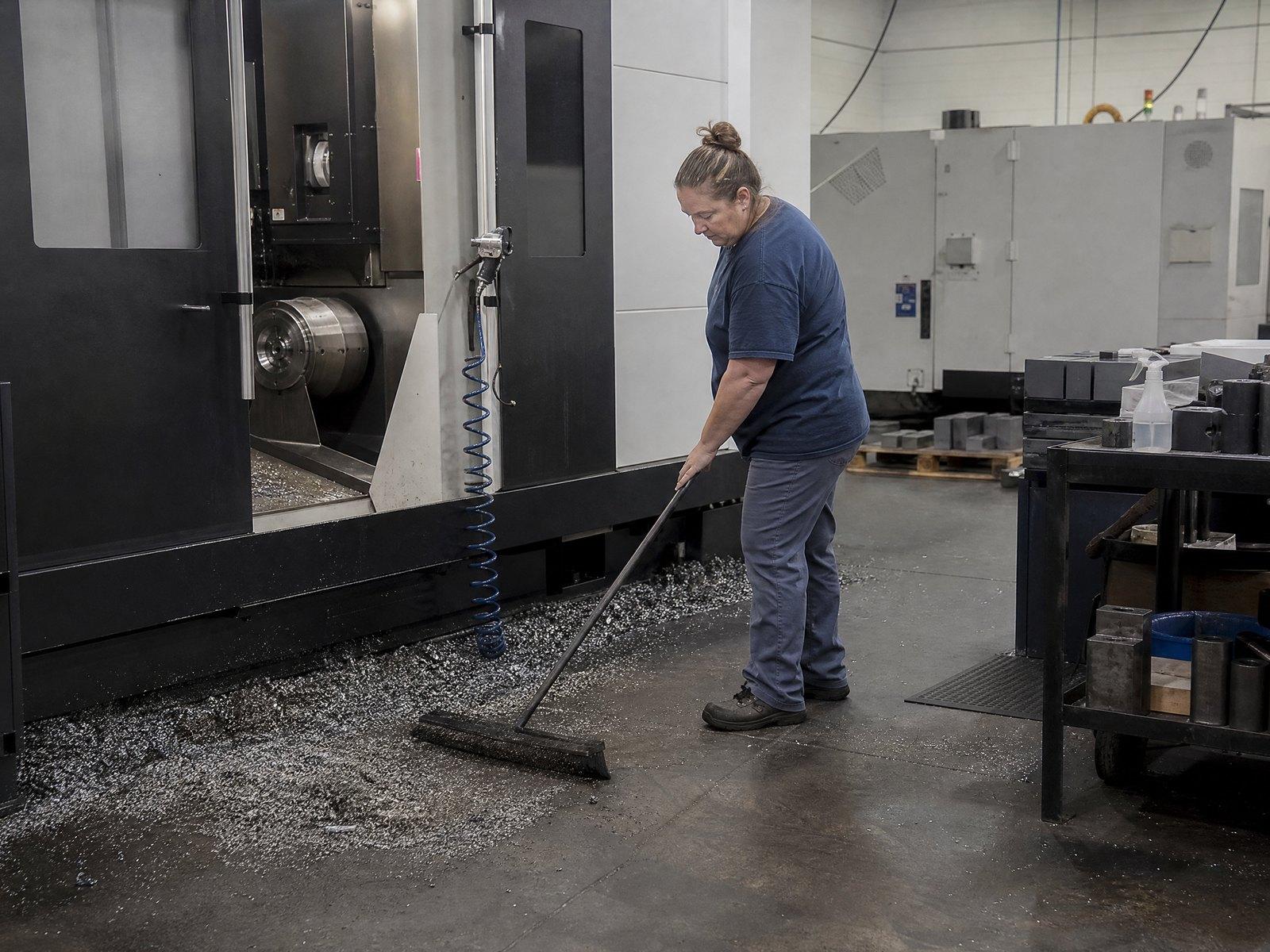
Warning signs in a sanitation program
Repeated ATP or microbiological swab failures on the same equipment
Biofilm, residue or odour in drains, seams and under conveyor frames
Audit findings tied to wet floors, condensation or unclean overhead structures
Chemical concentrations not recorded or checked each shift
Sanitation crews finishing late, so production starts behind schedule
Cross-contact worries because tools and cloths are shared between zones
How the work goes, step by step
Plan review
A specialist reads your sanitation procedures and visits the plant with your food safety manager.
Scope by area
Written tasks per room: sequence, chemicals, contact times, tools and drying.
Training and orientation
The crew completes your hygiene, PPE and entry rules, including boot and hand-wash steps.
Trial shifts
The first nights run with your supervisor, adjusting crew size and timing.
Verification and review
Swab results and audit feedback guide updates to the scope.
What changes the price
- Room size and equipment count
- Disassembling and washing a complex line takes far longer than rinsing an open floor.
- Type of product
- Meat, dairy, bakery and ready-to-eat lines differ in soil, temperature and risk, so the method and chemicals change.
- Allergen and changeover cleans
- Extra cleans between runs and verification steps add labour and time.
- Shift window
- A short window between shifts needs a larger crew to finish on time.
- Chemical and water use
- Foaming systems, hot water and specialized chemicals affect the cost, as does who supplies them.
- Records and verification
- ATP swabs, concentration checks and sign-offs add supervision time.
What a good quote spells out
- That the quote follows your written sanitation procedures, with chemicals and contact times named
- The sequence for each room, including dry clean-up, drain care and drying time
- Allergen controls and how tools are separated by zone and by color
- The records the crew will complete and who signs them off
- What happens when a swab fails: re-clean, re-test and who bears the cost
Food-Grade Sanitation: questions people ask
What is food-grade sanitation?
Cleaning and sanitizing food plant surfaces and equipment to a written program, using food-safe chemicals at set concentrations and contact times, with inspection and verification before production.
Does the contractor have to follow our HACCP plan?
Yes. The food safety program sets the rules, and the cleaning scope should reference them. The cleaner should not substitute their own chemicals or methods without approval.
How are allergen changeovers handled?
With a documented clean between runs, separate tools for the allergen zone, and verification such as swabs or visual checks as your plan requires.
Can sanitation be done in a few hours overnight?
Often, with enough people and a clear sequence. Complex lines and drying time can stretch the window, which is why a trial shift helps size the crew.
Other Ferrix services
Need Industrial-Grade Cleaning? Let's Walk Your Plant.
Tell us about your facility in the quote form. A specialist who serves your area follows up to arrange a site walk and prepare a written scope. Free to request, no obligation.
Request a free quote →