Industrial Chemical Spill Cleanup: Containment and Disposal
Industrial chemical spill cleanup is the containment, removal and disposal of spilled liquids, oils, solvents, acids, caustics or powders in a plant, warehouse or yard. The work depends on what was spilled, how much, where it went and whether it reached drains, soil or water.
Describe the job and add your city. Free to request, no obligation.
Start with safety. Small, known, contained spills may be handled by trained site staff using the safety data sheet and spill kit. Larger releases, unknown materials, spills that reach drains, or anything that gives off fumes belong to emergency responders and trained hazardous materials crews. Reporting thresholds apply to certain spills, and your safety manager decides when to notify authorities.
A contractor can help with the clean-up after the immediate danger is under control: pumping and vacuuming, absorbent removal, surface decontamination, floor and drain cleaning, and packing waste for authorized haulers. The quote request should include the product, the quantity, the safety data sheet, photos and whether regulators have been notified.
What the work includes
- Review of the safety data sheet and spill details before work starts
- Containment of the spill with booms, dikes and drain covers
- Absorbent application and removal, or vacuum recovery of liquids
- Surface decontamination of floors, equipment and walls
- Cleaning of drains, trenches and sumps where the spill has traveled
- Appropriate PPE and respiratory protection chosen for the material
- Packing, labelling and staging of waste for hauling by an authorized carrier
- Records of work done, quantities recovered and waste handed over
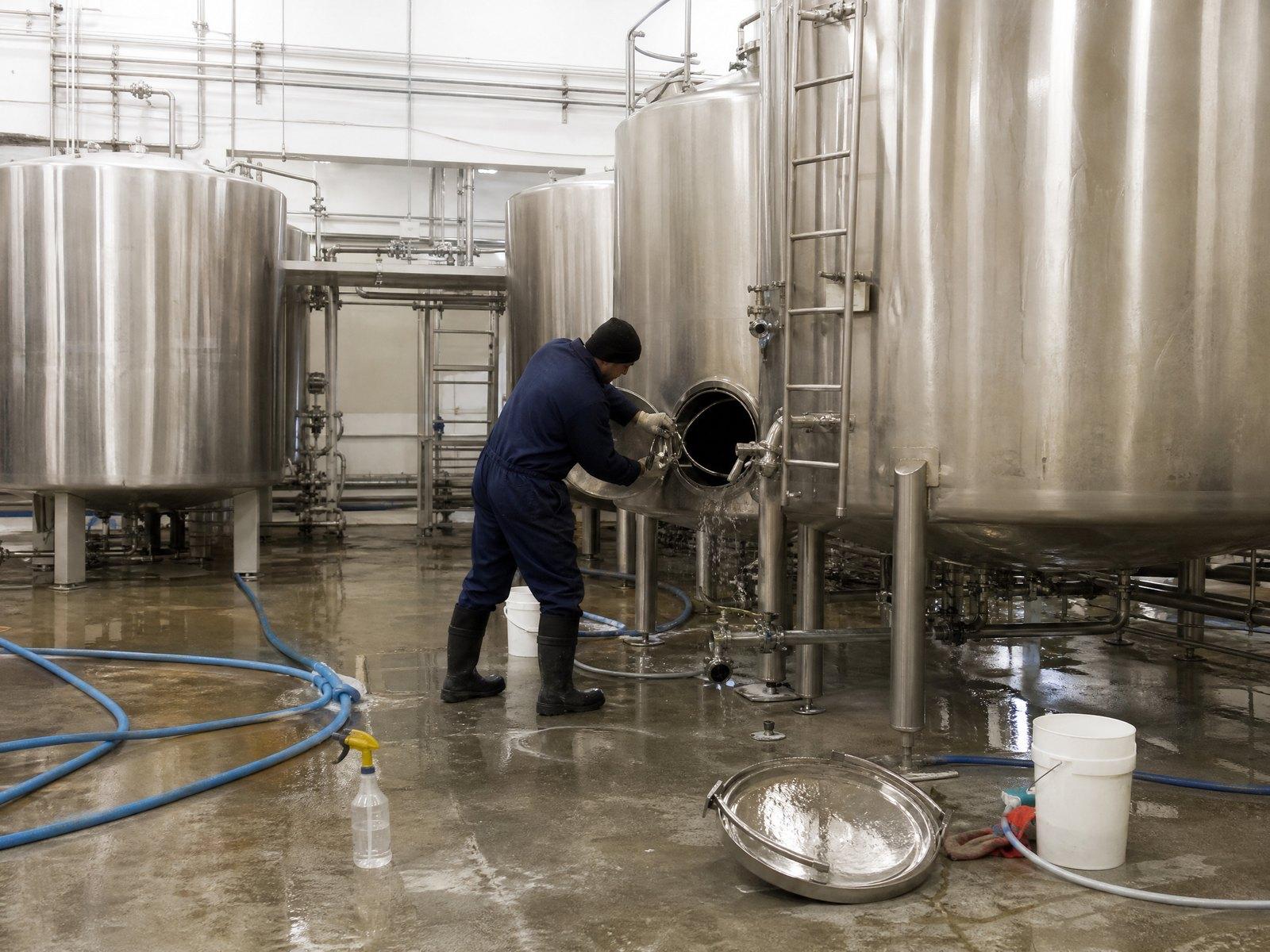
When a spill needs more than a mop
The material is unknown, mixed or gives off vapour or an irritating smell
Product has reached a floor drain, trench, soil or outdoor area
The volume is larger than a spill kit can safely handle
Staff are not trained or equipped for the specific chemical
A regulator, insurer or customer expects documented clean-up
Residue remains on floors or equipment after the first clean-up
How the work goes, step by step
Make it safe first
Site staff or emergency responders control the source, evacuate if needed and notify authorities as required.
Material review
The specialist reviews the safety data sheet, photos and site conditions.
Cleanup plan
A written plan covers containment, recovery, decontamination, PPE and waste handling.
Recovery and cleaning
Liquids are recovered, surfaces are decontaminated and drains are cleaned.
Waste and records
Waste is packed for an authorized hauler and records are handed to the site.
What changes the price
- Type of material
- Corrosives, solvents and toxic products need more protection and slower work than oils or water-based fluids.
- Quantity and spread
- A large pool or a spill that has traveled through drains takes more containment and cleanup.
- PPE and respiratory needs
- Higher hazard materials require more protective gear and monitoring.
- Waste handling
- Disposal of contaminated absorbents and liquids can cost more than the cleanup itself.
- Access and timing
- Out-of-hours work, confined areas and shutdown of nearby operations change the labour.
- Documentation
- Detailed records for regulators or insurers add time to the job.
What a good quote spells out
- Whether the crew has training for the material, such as HAZWOPER in the US, and who supervises
- The PPE and respiratory protection planned for the product
- How waste is classified, containers labelled and carriers chosen
- What records you receive and in what format
- Where emergency responders stop and cleanup contractors start
Hazmat Spill Response: questions people ask
Who should respond to a large chemical spill?
Trained emergency responders and hazardous materials crews, plus any authorities the rules require you to notify. Cleaning crews usually follow once the situation is stable.
Can an ordinary cleaner be used for a chemical spill?
Not without reading the safety data sheet. Some chemicals react with common products or with each other, so the right absorbent and method matter.
What happens to the waste?
It is classified, packed and labelled, then taken by an authorized carrier to a facility that can accept it. Your site keeps the manifests.
Does cleanup cover soil or outdoor spills?
Small outdoor spills may be included, but larger soil or water contamination usually involves environmental consultants and authorities.
Other Ferrix services
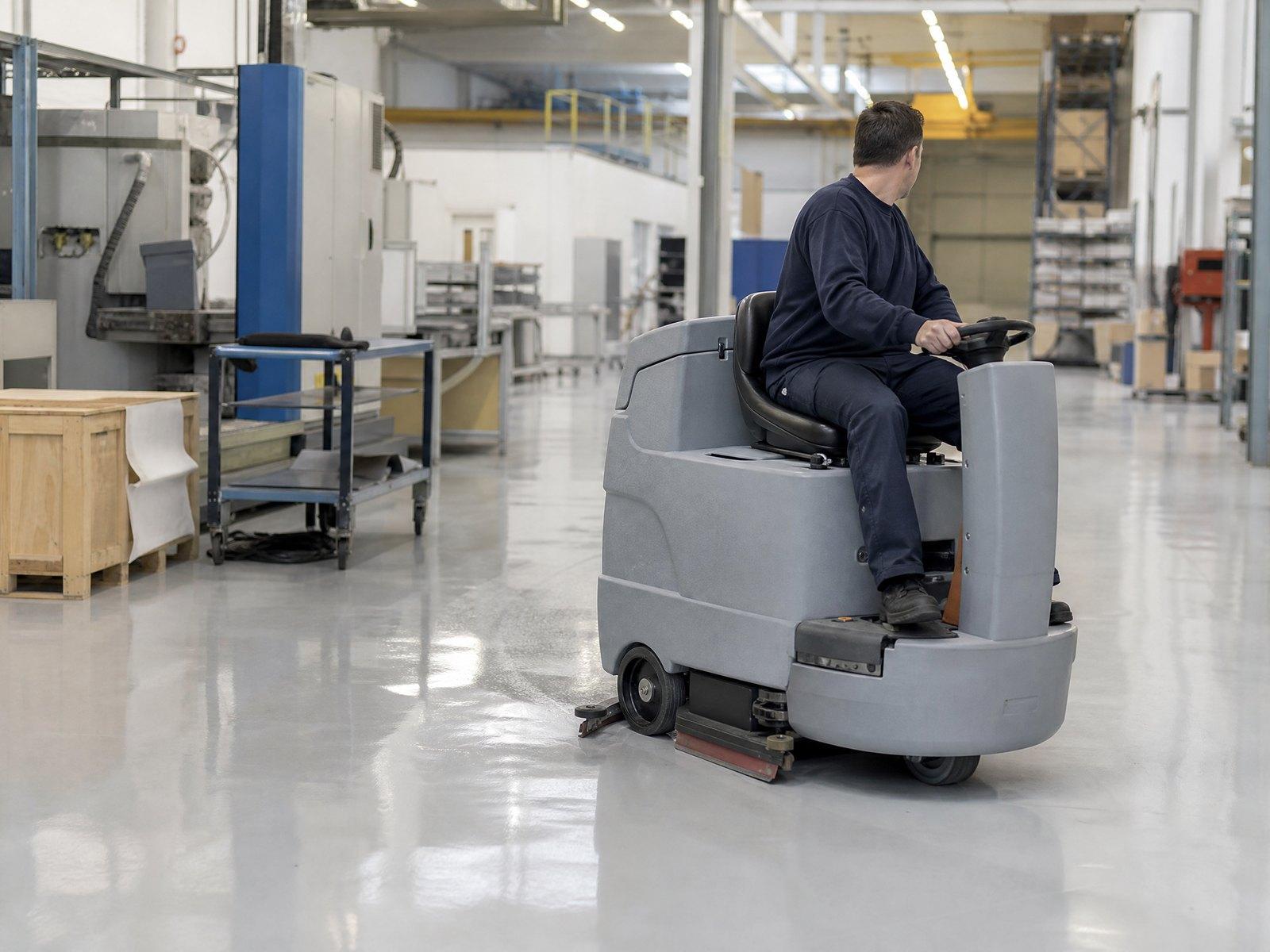
Need Industrial-Grade Cleaning? Let's Walk Your Plant.
Tell us about your facility in the quote form. A specialist who serves your area follows up to arrange a site walk and prepare a written scope. Free to request, no obligation.
Request a free quote →