Manufacturing Plant Cleaning: Production Floors, Machines and Dust
Manufacturing plant cleaning is the scheduled removal of oil, coolant, metal chips, dust and general debris from production floors, around machines, in aisles and in the support areas of a plant. It is done so the line runs safely, equipment lasts and the floor does not become a slip, fire or quality problem.
Describe the job and add your city. Free to request, no obligation.
Plants are not offices. Oil-soaked concrete needs degreasers and scrubbers, not mops. Fine metal dust and plastic fines need industrial vacuums with the right filtration, not brooms or compressed air. Cleaners also have to work around moving equipment, forklifts and lockout rules, which is why site orientation and a written scope come before the first shift.
Most plants split the job. Operators keep their stations tidy during the shift, and a cleaning crew handles floors, aisles, washrooms, break rooms and the heavier detail work between shifts or on weekends. Describe your processes, shifts and floor types in the quote request so the scope matches how the plant actually runs.
What the work includes
- Machine scrubbing of production floors with degreaser suited to oil and coolant
- Industrial vacuuming of dust and fines, including ledges, beams and equipment bases
- Removal of metal chips, swarf and packaging debris from aisles and work cells
- Cleaning around, not inside, running equipment unless the scope covers it
- Wiping control panels and guards only where your rules allow
- Drain, trench and sump area cleaning at the surface
- Break rooms, locker rooms and washrooms on a regular schedule
- Waste sorting and removal to the agreed point, including oily rags and absorbents
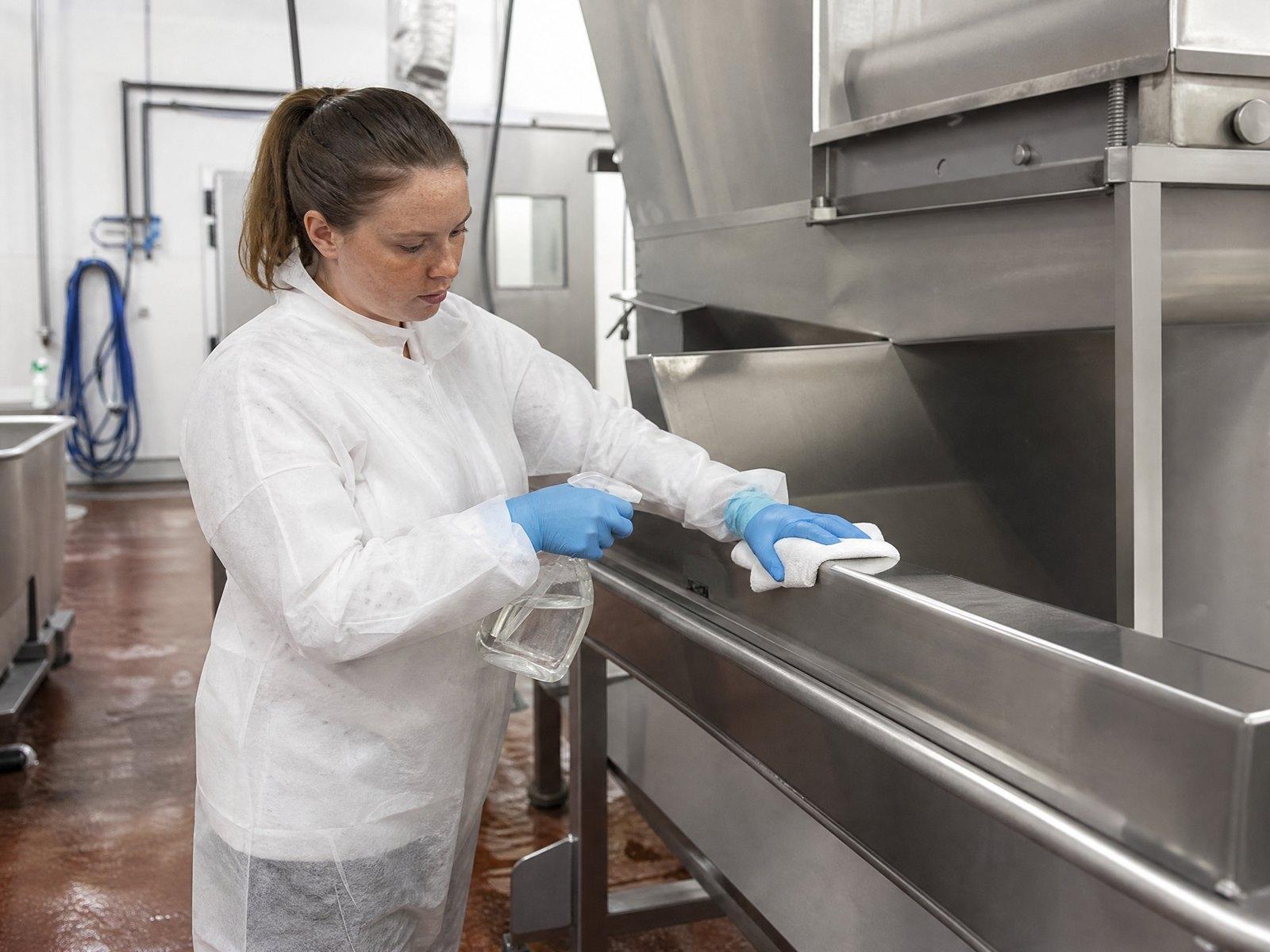
What shows up when a plant is not cleaned properly
Oil film or coolant on floors near machines after the shift
Dust visible on beams, conduit and top of equipment
Slips and near-misses that point back to floor condition
Chips and debris building up in aisles and around lockout points
Equipment faults linked to dust or oil on sensors and vents
An insurer, auditor or customer has commented on housekeeping
How the work goes, step by step
Plant walk
A specialist walks the plant with your EHS or operations contact and notes hazards, soil types and access.
Area-by-area scope
A written scope sets the methods, chemicals, equipment and frequency for each area.
Site orientation
The crew completes your safety orientation and PPE requirements before starting.
Scheduled cleans
Work runs between shifts, on weekends or around line activity as agreed.
Regular review
Quality and scope are checked with plant management and adjusted as production changes.
What changes the price
- Plant area and layout
- Open floors are quicker to clean than dense cells with tight access around machines.
- Type of soil
- Heavy oil, coolant and fine dust take more chemical, more passes and slower work than dry debris.
- Equipment used
- Ride-on scrubbers cover large areas fast but need clear routes, while hand work is slower around machinery.
- Schedule
- Cleaning between shifts or on weekends can cost more than a daytime crew, and shutdown windows are tight.
- Safety requirements
- Orientation, PPE, lockout and permits add hours before the work starts and during it.
- Waste handling
- Oily rags, absorbents and metal fines may have to be segregated and disposed of in a particular way.
What a good quote spells out
- A scope listing each area with method, chemical and frequency
- Equipment and filtration for dust, such as HEPA vacuums where required
- Your safety rules written in, including lockout, PPE and permits
- How oily waste, absorbents and metal fines are separated and removed
- Schedule around shifts and how missed cleans are made up
Manufacturing Floor Cleaning: questions people ask
How is industrial cleaning different from janitorial work?
Industrial work uses heavier equipment, stronger chemicals and methods for oil, dust and metal debris, and it follows plant safety rules like lockout and PPE. Janitorial work is built for offices and light-duty spaces.
Can cleaning happen while the plant is running?
Often yes for aisles, washrooms and support areas. Work near moving equipment is usually planned for changeovers, between shifts or shutdowns.
Why not just sweep or blow dust off with compressed air?
That puts dust into the air, where it settles again and can be a breathing or combustible dust concern. Vacuuming and wet methods capture it instead.
How often should a production floor be cleaned?
It depends on the process. Many plants clean aisles daily and do heavier scrubbing weekly or monthly. The scope should match the soil load.
Other Ferrix services
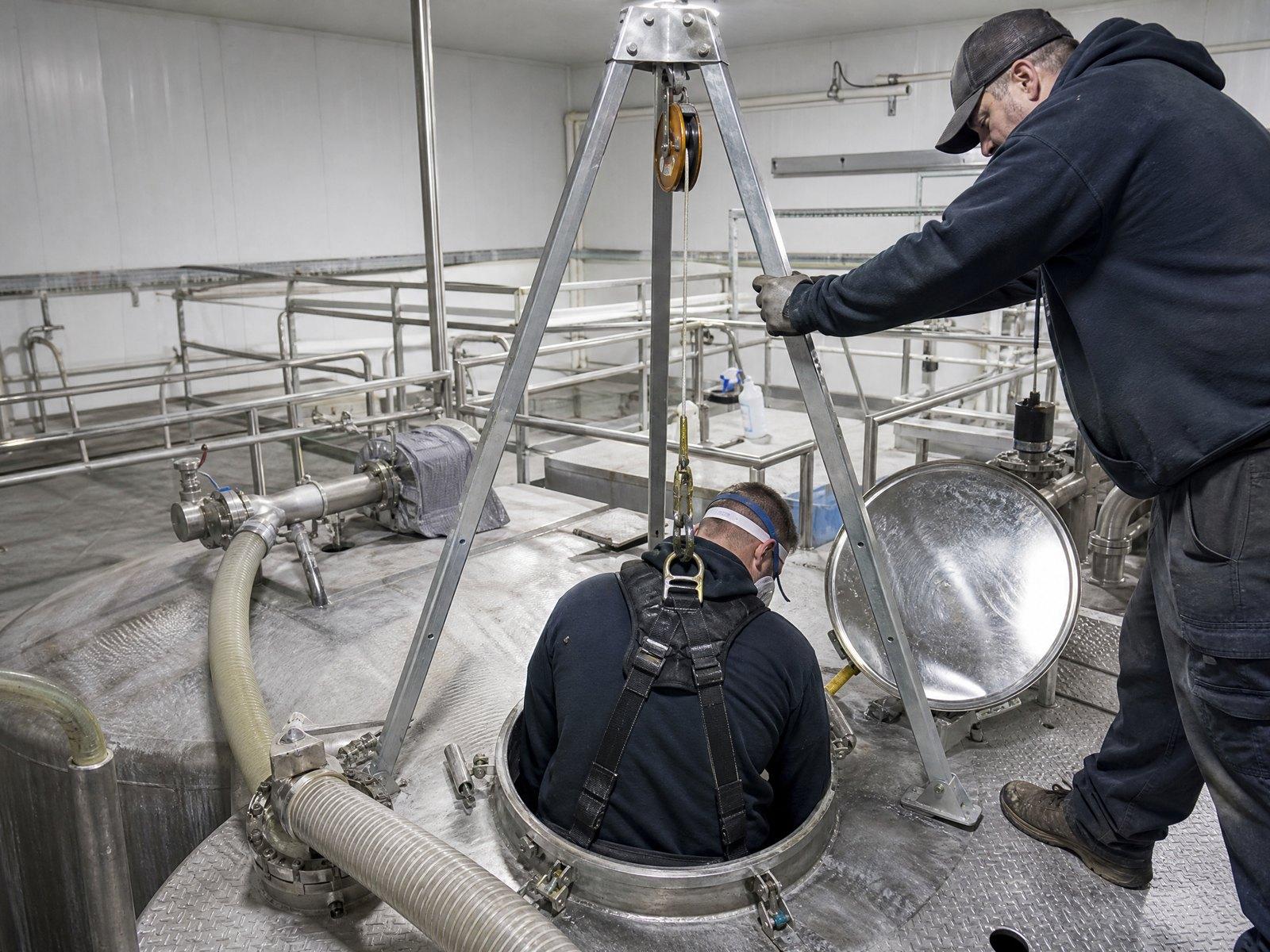
Need Industrial-Grade Cleaning? Let's Walk Your Plant.
Tell us about your facility in the quote form. A specialist who serves your area follows up to arrange a site walk and prepare a written scope. Free to request, no obligation.
Request a free quote →