Industrial Dust and Silica Cleanup With HEPA Vacuums and Wet Methods
Industrial dust and silica cleanup is the removal of fine mineral dust, including respirable crystalline silica, from plant floors, equipment, ledges, ducts and structures. Silica comes from cutting, grinding, crushing, mixing and handling materials such as concrete, stone, brick, sand, ceramics and some castings.
Describe the job and add your city. Free to request, no obligation.
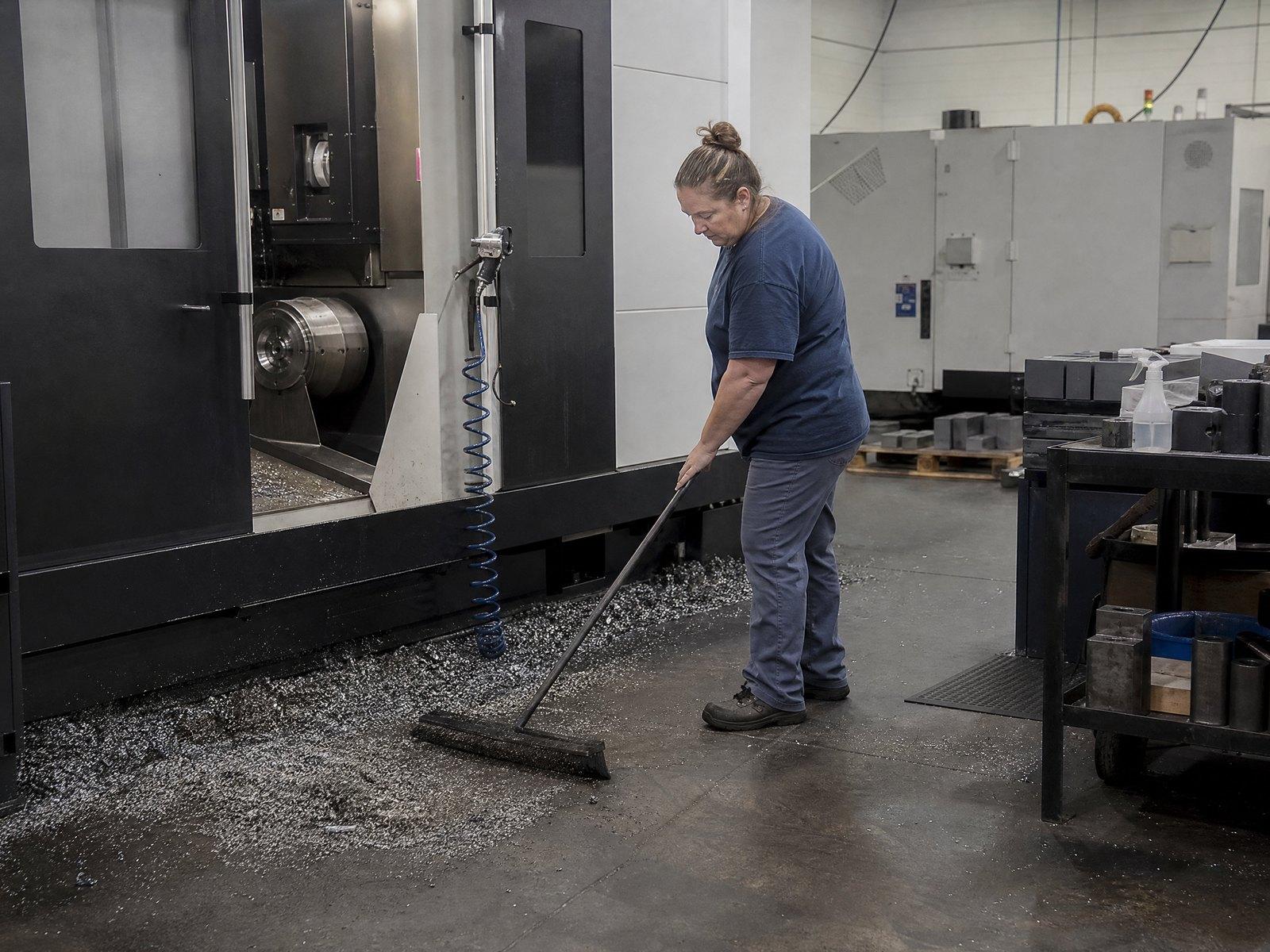
Respirable silica is a serious health hazard when breathed in, and some dusts can also be combustible. That drives the method. Dry sweeping and compressed air throw fine particles back into the air, so cleaners use HEPA-filtered vacuums, wet cleaning and containment, and avoid dry methods unless a safe approach has been planned.
In the US, OSHA's respirable crystalline silica standard for general industry is 29 CFR 1910.1053, and Canadian provinces set their own exposure limits. Your own exposure control plan comes first, and the cleaning scope should be written to fit it. Share the dust source, your air monitoring results if you have them, and your housekeeping rules in the quote request.
What the work includes
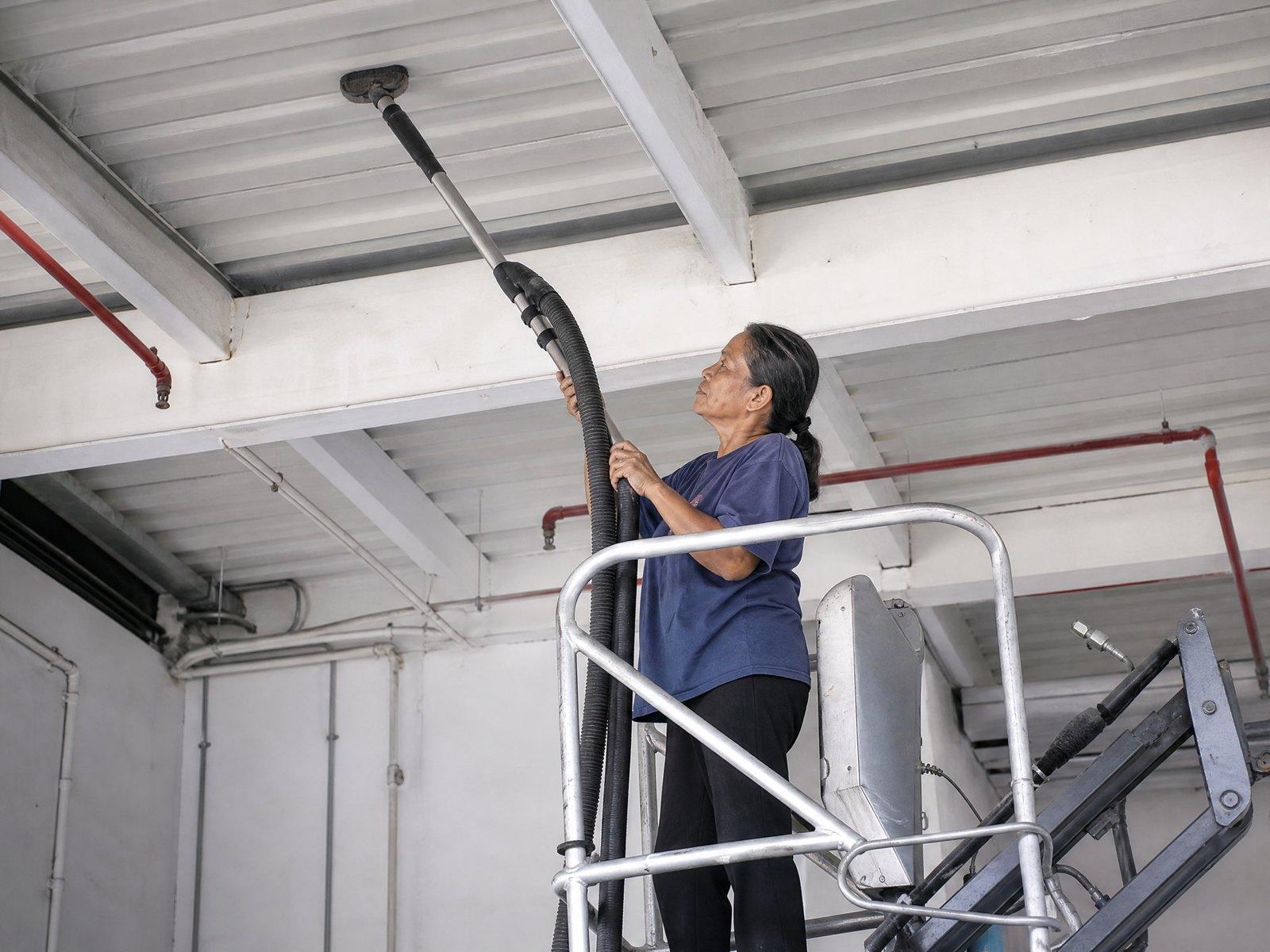
- HEPA-filtered vacuuming of floors, ledges, beams and equipment surfaces
- Wet cleaning and wet scrubbing where moisture is acceptable
- Work from clean to dirty areas and from high to low surfaces
- Containment such as plastic sheeting and negative air for enclosed jobs
- Respirators, protective clothing and decontamination steps for the crew, as required by your plan
- Cleaning of ductwork, dust collectors and fixtures exteriors on request
- Waste bagging and removal of collected dust under the site's waste rules
- Sign-off sheets or logs of areas cleaned and methods used
Clues that dust is building up beyond housekeeping
Visible dust layers on ledges, beams and equipment surfaces
Sweeping or blowing that stirs a cloud of dust
Air monitoring or inspections have flagged dust or silica concerns
Dust collectors and filters are overdue for service
Workers report coughing, irritation or dusty clothes after shifts
A new silica or combustible dust program requires documented housekeeping
How the work goes, step by step
Dust assessment
A specialist reviews the dust source, your exposure plan and any monitoring data.
Method plan
A written scope sets HEPA, wet methods, sequence, containment and protective gear.
Setup
Containment and decontamination are put in place, and the crew is briefed on your plan.
Cleaning
Work moves from high to low and clean to dirty, with HEPA vacuums rather than dry sweeping.
Verification
Visual checks and, where you require them, air or surface sampling by your own provider confirm results.
What changes the price
- Area and height
- Large buildings with high ledges and structures need lifts and more time.
- Dust type and volume
- Fine silica needs slower, more controlled work than coarse debris.
- Containment
- Enclosures, negative air and decontamination units add equipment and labour.
- Respiratory protection
- Fit-tested respirators and monitoring requirements affect crew setup.
- Access and production
- Cleaning while production runs is more complex than during a shutdown.
- Waste disposal
- Collected dust must be bagged and disposed of in line with site and local rules.
What a good quote spells out
- That HEPA vacuums and wet methods replace dry sweeping and compressed air
- Who provides respirators, fit testing, protective clothing and training
- How containment and decontamination are set up
- How collected dust is handled and disposed of
- How the work fits your written exposure control plan
Silica & Dust Protocol: questions people ask
Why can't dust just be swept up?
Sweeping and compressed air put fine dust back into the air, where it can be breathed in or settle again. HEPA vacuums and wet methods capture it.
Is silica dust cleanup the same as general cleaning?
No. It follows an exposure control plan, uses HEPA filtration and wet methods, and often needs respirators and decontamination steps.
Can this be done while production is running?
Sometimes with containment. Heavy work is usually planned for shutdowns or off-shifts to protect workers.
Do you provide air monitoring?
Air monitoring is normally done by your own safety provider or an independent hygienist. The cleaning scope can be timed to support their sampling.
Other Ferrix services
Need Industrial-Grade Cleaning? Let's Walk Your Plant.
Tell us about your facility in the quote form. A specialist who serves your area follows up to arrange a site walk and prepare a written scope. Free to request, no obligation.
Request a free quote →